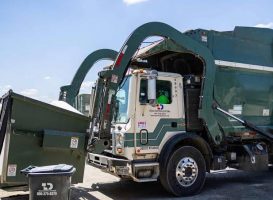
When businesses, property managers, and commercial facilities need a dependable way to handle recurring waste, a front load dumpster is often a practical solution. Unlike temporary construction containers that may sit on a job site for weeks, front load dumpsters are designed primarily for routine waste collection from locations such as restaurants, offices, apartment communities, retail stores, and small commercial properties.
Choosing the right container, however, involves more than selecting a size and scheduling pickup. Placement, waste type, collection frequency, access requirements, and local regulations can all affect how well a dumpster works. Understanding these factors before ordering a container can prevent overflowing waste, unnecessary service charges, and operational headaches.
What Is a Front Load Dumpster?
A front load dumpster is a commercial waste container designed to be emptied mechanically by a specialized collection truck. The truck typically uses lifting arms to raise the container over the cab and empty its contents into the vehicle.
The term “front load” refers to the way the dumpster is serviced rather than where it necessarily sits on a property. These containers generally have a compact footprint and are intended to remain at a property between scheduled pickups.
Businesses commonly use front load dumpsters for everyday, non-hazardous waste, including:
- Food-service waste
- Packaging and cardboard
- Office trash
- Retail waste
- Apartment and multifamily waste
- General commercial refuse
- Routine maintenance debris
For businesses generating waste every day, having a permanent or regularly serviced container can be more convenient than arranging individual waste removal jobs.
How to Choose the Right Front Load Dumpster
Selecting a container should begin with the amount and type of waste your property produces. A dumpster that is too small may overflow before the next pickup, while an oversized container can take up unnecessary space and increase costs.
1. Estimate Your Waste Volume
Look at how much trash your business produces during a typical week. Review existing bags, boxes, and other waste rather than guessing based solely on the number of employees.
For example, a small professional office may generate relatively little general waste but produce considerable cardboard after receiving shipments. A restaurant may generate less cardboard but much more food-related refuse.
Tracking waste for several collection cycles gives you a better basis for choosing container capacity.
2. Consider the Waste Material
Not everything belongs in a standard front load dumpster. General commercial waste is usually appropriate, but hazardous materials, certain chemicals, liquids, medical waste, electronics, tires, and other restricted materials may require specialized disposal.
If your business produces unusual waste, identify the material before arranging service. Mixing prohibited materials with ordinary trash can create safety problems and potentially lead to rejected loads or additional charges.
3. Determine the Collection Frequency
Dumpster capacity and pickup frequency work together.
Suppose a business produces enough waste to fill a container every three days. Installing a much larger dumpster may not be the only solution. More frequent collection could provide a better fit, particularly when available space is limited.
Businesses should consider seasonal changes as well. Retailers may produce significantly more packaging during holiday periods, while restaurants may experience different waste volumes during busy tourist or event seasons.
Planning the Dumpster Placement
The location of a front load dumpster can affect both safety and collection reliability.
The container should generally be positioned where the collection vehicle can approach it safely and where employees can use it without navigating unnecessary obstacles. Avoid placing dumpsters where parked vehicles, low branches, utility structures, gates, or other obstructions could interfere with servicing.
Keep the Access Area Clear
One of the most common operational problems is blocked dumpster access.
A business may have an appropriate container but still experience missed service because a delivery truck, employee vehicle, or customer car is parked in front of it. Establishing a designated dumpster area and communicating access rules to employees can reduce this problem.
The surrounding surface also matters. A stable, reasonably level area is preferable to soft ground that could become difficult to access after heavy rain.
Step-by-Step Strategy for Managing Commercial Waste
A simple waste-management process can make front load dumpster service considerably more efficient.
Step 1: Audit current waste.
Track what your property throws away and approximately how much it produces.
Step 2: Separate recyclable materials.
Cardboard, paper, metal, and other recyclable materials may be handled separately depending on local programs and your service arrangement.
Step 3: Select an appropriate container.
Base the decision on actual waste volume, available space, and expected collection frequency.
Step 4: Establish a suitable location.
Make sure collection equipment can reach the dumpster without unnecessary obstacles.
Step 5: Create internal waste procedures.
Employees should know what belongs in the container and what must be handled separately.
Step 6: Monitor fill levels.
Pay attention to whether the dumpster consistently becomes full well before pickup or remains mostly empty.
Step 7: Adjust service when conditions change.
Changes in occupancy, business activity, renovations, or seasonal demand may justify changing container size or pickup frequency.
Common Mistakes and Challenges
Choosing Based Only on Price
The cheapest container option is not necessarily the most economical solution. If a dumpster repeatedly overflows, the operational consequences can outweigh the initial savings.
Look at the complete service arrangement, including capacity, collection frequency, access requirements, and potential additional charges.
Overfilling the Container
Waste should remain inside the container rather than piled above its opening. Overfilled dumpsters can create safety issues and may prevent the collection truck from servicing the container properly.
If overflow happens repeatedly, treat it as a sign that the waste plan needs adjustment rather than simply adding more bags.
Putting the Dumpster in an Inaccessible Location
A convenient location for employees may not be a practical location for a collection truck. Before finalizing placement, consider the entire path the truck and lifting equipment need to use.
Ignoring Changing Waste Patterns
A business that grows from five employees to fifty employees may eventually outgrow its original waste setup. Similarly, an apartment property can experience significant changes when occupancy increases.
Review waste requirements periodically instead of assuming the original arrangement will remain suitable indefinitely.
Practical Tips for Better Dumpster Management
Keep the dumpster area clean and organized. Loose trash around the container can attract pests, create unpleasant conditions, and make the property look poorly maintained.
Flatten large cardboard boxes when appropriate. This can significantly reduce the space packaging occupies inside a dumpster.
Train employees on prohibited materials. A short written waste policy near disposal areas can prevent confusion, particularly in workplaces with frequent staff turnover.
Keep records of recurring overflow. If the same problem occurs every pickup cycle, documenting the pattern makes it easier to determine whether the issue is container capacity, collection frequency, or inefficient waste sorting.
Finally, consider future changes when planning your setup. A property undergoing expansion, remodeling, or increased occupancy may need a temporary or additional waste-management solution rather than relying exclusively on its normal front load dumpster.
Conclusion
A front load dumpster can provide a straightforward way to manage recurring commercial waste, but its effectiveness depends on proper planning. The right container size, suitable placement, appropriate pickup schedule, and clear waste-handling procedures all work together.
Rather than choosing a dumpster based solely on appearance or price, evaluate your actual waste volume, materials, available space, and collection requirements. A little planning upfront can help prevent overflow, access problems, and unnecessary changes later.